
Gymnasium Flooring Options: Choosing the Right Surface for Your Facility
Selecting the right gymnasium flooring option is one of the most important decisions a facility can make. The floor impacts athlete safety, performance, maintenance costs, and how well the space supports multiple activities over time.
At Sports Floors Inc., we work with schools, universities, recreation centers, and athletic facilities across the Mid-South to help them evaluate gymnasium flooring options based on use, budget, and long-term durability. This guide breaks down the most common gym flooring systems, their advantages, and how to determine which solution is right for your facility.
Request a Gym Flooring Consultation
Understanding Gymnasium Flooring Options
Modern gymnasiums are used for far more than basketball games. From physical education classes and assemblies to volleyball, pickleball, and community events, the floor must balance performance, resilience, and versatility.
The right gymnasium flooring option depends on several factors, including activity type, expected traffic, subfloor conditions, and maintenance expectations. Below are the most common flooring systems used in athletic facilities today.
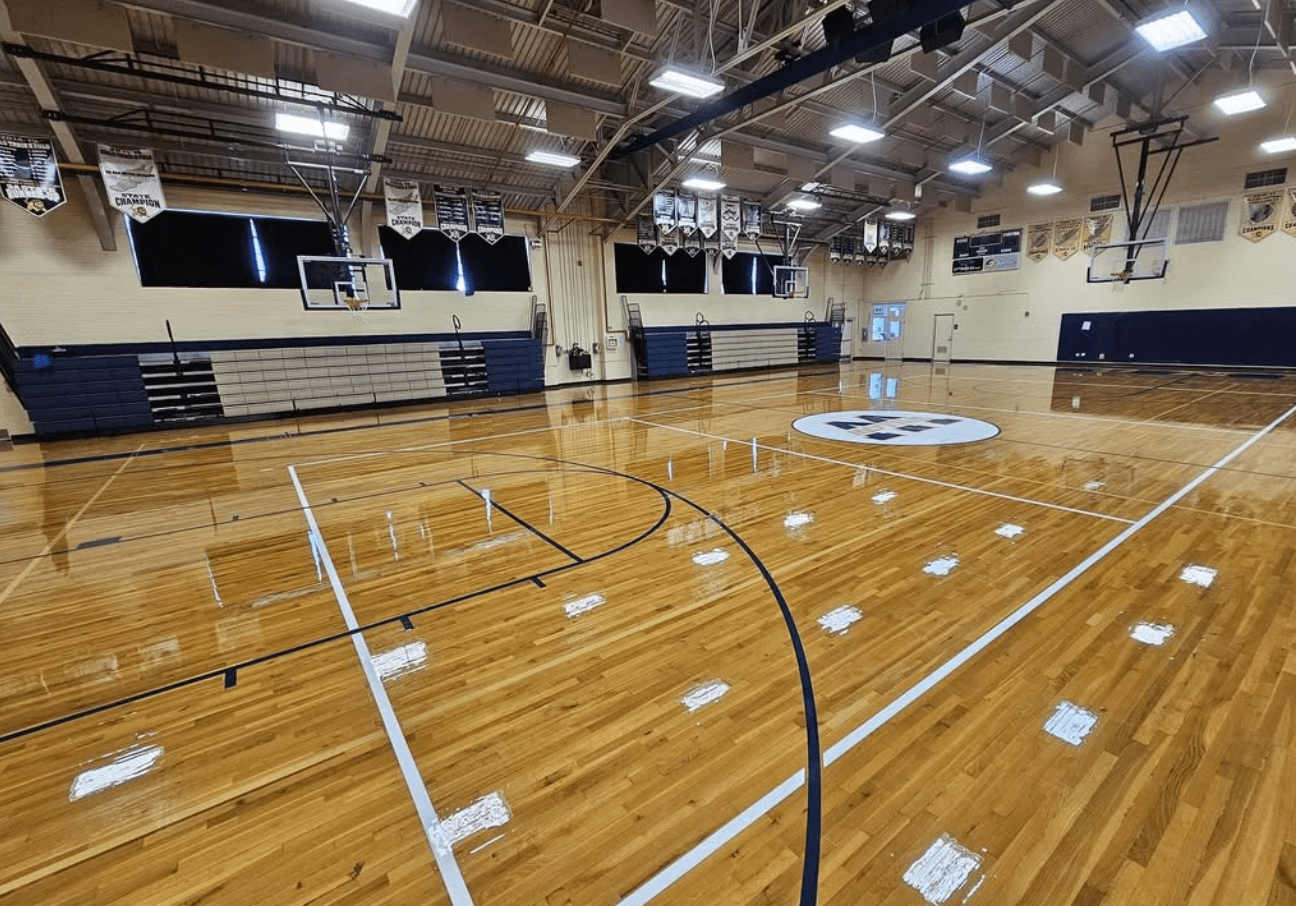
Gym Flooring Options for Pickleball Courts
Pickleball continues to grow in popularity, and many facilities are now evaluating gymnasium flooring options that can support pickleball alongside basketball, volleyball, and physical education programs.
Pickleball court flooring requires consistent traction, predictable ball response, and the ability to handle frequent directional changes. In school and recreation settings, pickleball courts are often integrated into existing gym floors rather than installed as standalone outdoor surfaces.
Wood gym flooring systems can support pickleball through proper line striping and surface finishes, while synthetic sports flooring is often selected for facilities that prioritize multi-use flexibility and reduced maintenance. Portable sports flooring may also be used for temporary pickleball court setups in multipurpose spaces.
Choosing the right pickleball court solution starts with understanding how the space will be used and selecting a gymnasium flooring option that supports both current and future activities.
Portable and Multi-Use Gym Flooring Systems
Facilities that host assemblies, tournaments, or temporary athletic events often require gymnasium flooring options that provide flexibility without sacrificing performance. Portable sports flooring systems are designed to be installed over existing surfaces and removed when needed.
These systems are commonly used for temporary basketball courts, pickleball courts, and event flooring in school gyms, convention centers, and community facilities. While portable systems are not intended to replace permanent installations, they play an important role in facilities that require adaptable space planning.
When evaluating portable sports flooring, it is important to consider load capacity, surface stability, and compatibility with the underlying gym floor to avoid long-term damage.
Wood Gym Flooring Systems
Wood gym flooring remains the standard for competitive basketball and multi-purpose athletic spaces. These systems are engineered to provide consistent ball response, shock absorption, and a traditional athletic appearance.
Maple hardwood is the most commonly used surface for wood gym floors due to its durability and performance characteristics. When paired with a properly designed subfloor, wood gym flooring supports high-impact sports while reducing stress on athletes’ joints.
Wood gym flooring is best suited for facilities that prioritize competitive play, require line striping for multiple sports, and plan for long-term refinishing rather than surface replacement.
Synthetic Sports Flooring
Synthetic sports flooring systems are a popular gymnasium flooring option for facilities that require versatility and lower maintenance. These surfaces are designed to support a wide range of activities while offering consistent traction and durability.
Synthetic flooring is often chosen for schools and recreation centers where the gym is used for athletics, physical education, and non-sporting events. Many systems are engineered to reduce maintenance demands while still providing athlete-friendly performance.
These surfaces are particularly effective in environments where moisture control, usage flexibility, or budget considerations make traditional wood flooring less practical.
Rubber Athletic Flooring
Rubber athletic flooring is commonly used in weight rooms, training areas, and auxiliary gym spaces. While not typically used for competitive court sports, rubber flooring excels in impact absorption, noise reduction, and durability.
As a gymnasium flooring option, rubber surfaces are ideal for facilities that need a resilient, low-maintenance solution for strength training or high-traffic athletic zones.
Key Factors When Comparing Gymnasium Flooring Options
When evaluating gymnasium flooring options, it’s important to look beyond surface type alone. Facility managers should consider usage patterns, athlete safety standards, maintenance requirements, and long-term cost of ownership.
Subfloor design, shock absorption ratings, and compatibility with line striping or refinishing schedules all influence how well a floor performs over time. The best flooring choice is the one that aligns with both current needs and future use.
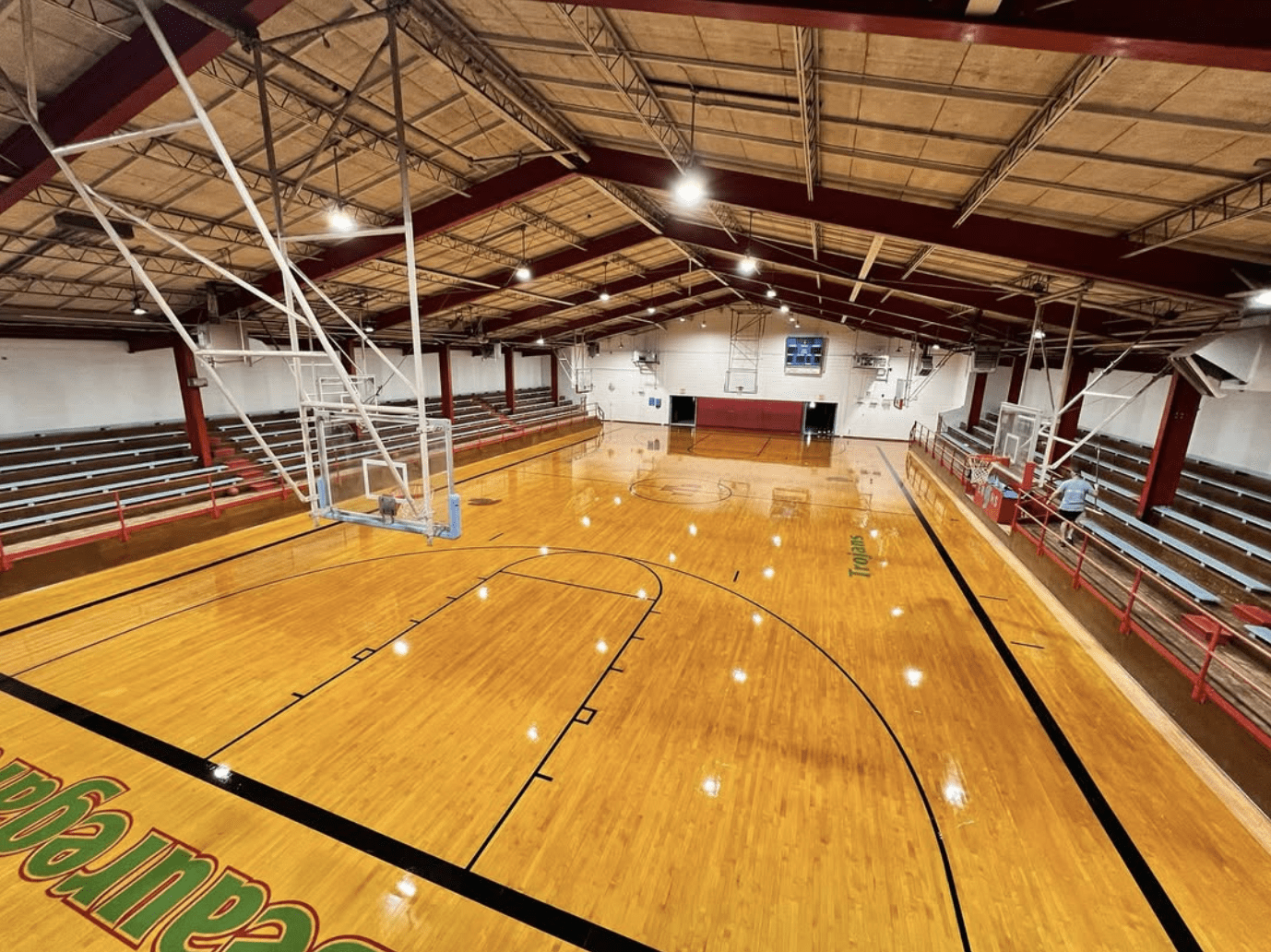
How Sports Floors Inc. Helps Facilities Choose the Right Floor
Sports Floors Inc. works closely with facility owners, architects, and athletic directors to evaluate gymnasium flooring options based on real-world use. Rather than pushing a single solution, we focus on matching each facility with a system that supports performance, safety, and longevity.
From new installations to renovations and refinishing, our team provides guidance through every stage of the decision-making process so facilities can invest confidently in the right flooring system.
Talk With a Gym Flooring Specialist
Wood vs. Synthetic Gym Flooring
One of the most common questions facility managers ask when reviewing gymnasium flooring options is whether wood or synthetic flooring is the better choice. Each system serves a different purpose depending on performance needs, maintenance expectations, and usage intensity.
Wood gym flooring is typically selected for competitive basketball environments where consistent ball response and traditional aesthetics are required. Synthetic sports flooring is often chosen for multi-purpose gyms where durability, moisture resistance, and lower maintenance are priorities.
Understanding the tradeoffs between wood gym flooring and synthetic flooring allows facilities to make informed decisions that align with long-term goals rather than short-term trends.
Frequently Asked Questions About Gymnasium Flooring Options
What is the most common gymnasium flooring option for schools?
Wood gym flooring remains the most common choice for school gymnasiums, particularly where basketball and competitive sports are a priority. Synthetic systems are also widely used in multi-purpose facilities.
How long does gymnasium flooring typically last?
The lifespan depends on the flooring type and maintenance schedule. Wood gym floors can last decades with proper refinishing, while synthetic systems are designed for long-term durability with minimal upkeep.
Can one gym floor support multiple sports?
Yes. Many gymnasium flooring options are designed to support multiple sports through line striping, shock-absorbing subfloors, and surface finishes that accommodate varied activities.
How do I know which gym flooring option is right for my facility?
The best approach is to evaluate how the space will be used, the level of athletic performance required, and long-term maintenance goals. A professional assessment can help determine the most appropriate solution.